Solar Water Heater Repair Explained in Simple Terms
Solar water heaters sound complicated until you break them down into the few jobs they actually need to do. They collect heat, move water through the system, and deliver hot water when you open a tap. When one part stops doing its job, the whole setup starts to feel unreliable. You notice lukewarm showers, long wait times, odd noises, dripping water, or a tank that seems to work one day and fail the next.
That is why solar water heater repair needs a plain-English explanation. Most homeowners do not need to understand every fitting and valve inside the system. They do need to know what the common trouble signs mean, what is worth checking first, and when it is time to stop troubleshooting and call a licensed plumber.
In Hawaiʻi, that last part matters. Plumbing work is regulated by the Department of Commerce and Consumer Affairs, and licensed plumbers must meet state requirements to hold and renew their credentials. State guidance also tells consumers to verify the contractor’s name and license number before hiring. That is not a technicality. It is a practical safeguard, especially when you are dealing with hot water equipment, plumbing lines, and repairs that may require more than a simple part swap.
What a solar water heater actually does
At a basic level, a solar water heater uses the sun’s heat to help warm your household water. The system usually includes a collector that captures heat and a storage tank that holds hot water for use in the house. Plumbing lines, valves, and related components help the water move where it needs to go.
When people hear “solar,” they sometimes assume the repair will be mostly electrical. In many cases, the repair issue is still plumbing at heart. Water has to travel through pipes and valves, pressure has to stay within a safe range, and the tank has to hold and deliver hot water reliably. That is why a plumber, particularly one with experience in water heater repair and solar water heater repair, is often the right first call.
The simplest way to think about failure is this: either the system is not heating well, not storing well, or not moving water well. Almost every symptom traces back to one of those three problems.
Why small symptoms turn into bigger repairs
Homeowners often wait because the system still kind of works. The shower is warm, just not as warm as before. There is a drip, but only after heavy use. Hot water returns, but slowly. That delay is where costs grow.
A slow leak can damage surrounding materials. A valve issue can affect performance for weeks before it fails completely. A plumbing connection that cycles between tight and loose can eventually become the reason for an emergency plumber call. Water heater issues rarely improve on their own. They usually become easier to notice, more disruptive, and more expensive to fix.
That pattern is familiar to anyone who works in plumbing. A customer may first search for a “plumber near me” because of weak hot water, then later find they also need broader water heater repair. In some cases, what looked like a tank problem turns out to involve connected plumbing components. In others, the heater itself is fine, but the circulation or a leaking connection is the real culprit. The point is not to alarm people. It is to explain why early diagnosis matters.
The most common signs something is wrong
The symptoms tend to be straightforward, even if the cause is not.
- Water that never gets fully hot
- Hot water that runs out faster than usual
- Visible leaking around the tank or connected piping
- Inconsistent temperature from day to day
- A sudden drop in performance after the system had been working normally
That short list covers most of what homeowners notice first. The repair itself can still vary widely. Two homes can both have lukewarm water and need completely different fixes.
For example, one property may have a clear plumbing leak near the water heater connections. Another may have a valve-related issue that affects flow. A third may have a problem serious enough that the owner calls an emergency plumber because hot water is gone and water is pooling around the unit. The symptom is only the opening clue.
What “repair” can mean in real life
People often imagine repair as one technician replacing one broken part in one visit. Sometimes it does go that way. Just as often, the work involves diagnosis first, then repair once the source is confirmed.
A solar water heater repair visit may involve checking visible plumbing connections, evaluating whether water is leaking from the tank area or nearby piping, and determining whether valves or pipe arrangements are part of the problem. In Hawaiʻi County, even maintenance by a licensed plumber can require a permit if the work involves repairing, replacing, or rearranging valves or pipes. That detail surprises homeowners, but it is important. Not every repair is just “tighten something and leave.”
This is one reason experienced plumbers ask careful questions before giving a simple yes or no about the job. If the issue is limited and obvious, the fix may be straightforward. If the repair touches valves or piping in a way that triggers permit requirements, the scope changes. Good contractors explain that early.
Why leaks deserve immediate attention
Leaks around any water heater deserve attention, but with solar systems people sometimes delay because they assume the leak must be minor or weather-related. That can be a costly assumption.
A leak may come from a connection, a pipe, or the tank area itself. In practical terms, the location matters because it changes the repair approach. A bad connection is one type of plumbing repair. A more significant tank issue is another. Either way, leak detection is not about guesswork. You want the source identified clearly before anyone starts replacing parts.
This is where a seasoned plumber earns the service call. Good leak detection is not just spotting water on the floor. It is tracing where the moisture starts, how long it has likely been happening, and whether nearby components are also under stress. If the heater sits near walls, flooring, or storage areas, quick action can prevent a plumbing problem from becoming a property damage problem.
In busy households, leaks often get discovered at the worst possible time, early morning, after work, or before guests arrive. That is why emergency service becomes part of the conversation. In Hilo, there is a county water-emergency service presence through the Department of Water Supply, which tells you something important about local conditions: water issues do not always happen on a convenient schedule. For home plumbing repairs, though, you still need the right licensed trade professional.
When no hot water is not really “no hot water”
Many homeowners report “no hot water” when the real issue is weak performance. That distinction matters because it helps narrow down the diagnosis.
If water is completely cold all the time, that suggests the system is not heating or delivering heated water at all. If water starts hot and turns cool quickly, the system may be storing too little usable hot water or losing efficiency somewhere in the process. If performance changes from day to day, the system may be operating inconsistently rather than failing outright.
This is where plain observation helps the repair call go faster. A homeowner who can say, “It gets warm by late morning but not hot at night,” or “The upstairs shower loses heat first,” gives useful information. You do not need technical language. You just need accurate patterns.
Professionals in water heater repair listen for those patterns because they help separate a single-point failure from a broader plumbing issue. Sometimes the complaint starts with the heater and ends with a discussion about connected lines, fittings, or valves. Sometimes the water heater is the problem after all. Careful diagnosis keeps those two situations from getting mixed up.
Why a licensed plumber matters in Hawaiʻi
Hiring properly is not just about workmanship. It is also about compliance and accountability.
In Hawaiʻi, plumbing work is regulated through the state’s licensing system, and plumbers must meet licensing and renewal requirements, including continuing competency for active PJ and PM licenses. State guidance also says that electrical and plumbing contractors must employ licensed electricians and plumbers to perform the actual work. For a homeowner, that means the person doing the work should not be a mystery.
If you are looking for a Hilo plumber, or simply typing “plumber near me” after a rough morning with no hot water, verify the contractor’s name and license number before scheduling the job. That step matters even more for solar water heater repair because these systems involve more than a basic fixture replacement. You want someone who understands plumbing systems, local requirements, and the difference between a quick patch and a proper repair.
There is also a practical local point here. Hawaiʻi contractor listings include plumbing classifications such as C-37 for plumbing contractors and C-43 for sewer, sewage disposal, drain, and pipe laying work. That does not mean every plumbing company handles Article source every task the same way, but it does show that classifications exist for a reason. The work should match the license and experience.
Permit questions are not a red flag
Homeowners sometimes get nervous when a contractor mentions permits. They assume it means the price is going up for no reason. In reality, permit requirements often show that the contractor is paying attention to the actual scope of work.
In Hawaiʻi County, some plumbing maintenance by a licensed plumber may still require a permit when repairing, replacing, or rearranging valves or pipes. For a solar water heater repair, that can become relevant quickly. A small leak might seem minor at first glance, but if the proper repair involves more than a simple adjustment, permit rules can come into play.
A contractor who explains that clearly is usually protecting both the homeowner and the integrity of the repair. The opposite situation, where someone shrugs off requirements and offers a vague shortcut, is the one that should raise concern.
How plumbing companies often see the bigger picture
A water heater problem does not always arrive alone. A homeowner may call for solar water heater repair and mention, almost as an afterthought, that a drain is slow, there has been recent moisture near another wall, or the building has had recurring plumbing issues. Those details matter because they can point to separate but related maintenance needs.
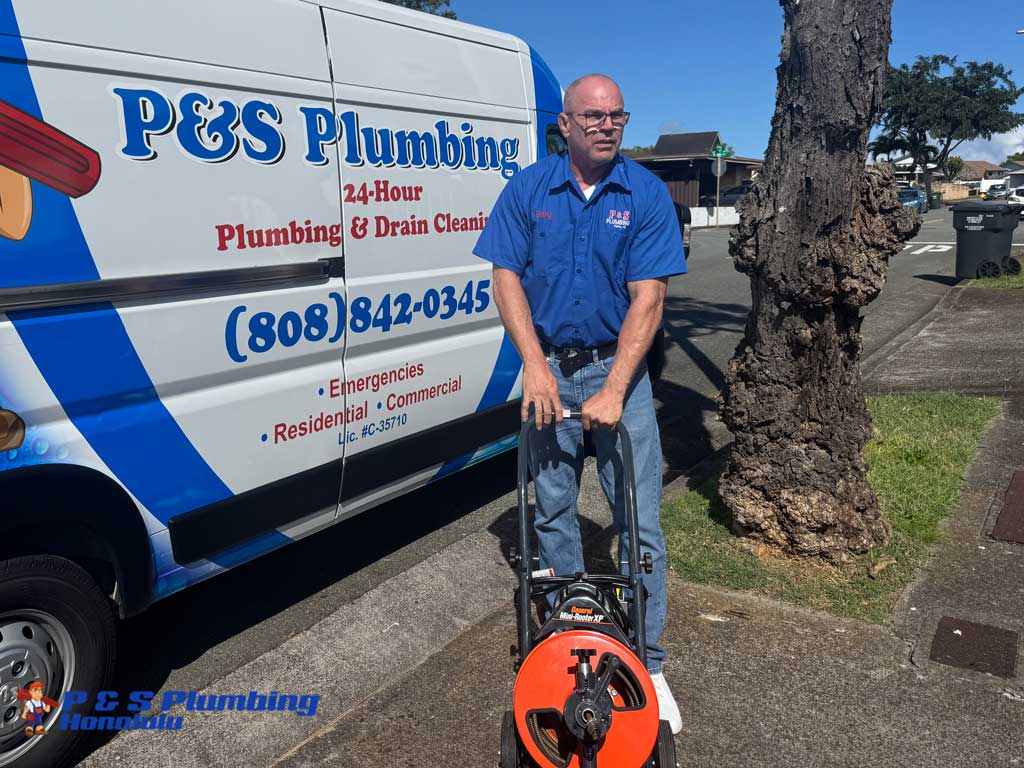
Many plumbing companies offer a wide range of services beyond water heater repair, including drain cleaning, sewer line repair, leak detection, and commercial plumber services for larger properties. That does not mean every hot water issue leads to a bigger project. It does mean a good technician pays attention to signs that the heater complaint may be part of a wider plumbing pattern.
For example, if a property has unresolved leaks elsewhere, those can complicate diagnosis around the heater. If a commercial site is dealing with multiple plumbing demands, water heater downtime has a different urgency than it does in a single-family home. In a restaurant, office, or multi-use building, hot water disruptions may affect operations quickly. That is where a commercial plumber with relevant experience becomes important.
The same thinking applies to homes. A family of five notices water heater issues sooner than a single occupant might. A vacation rental may only reveal a problem once turnover increases and usage spikes. Real-world plumbing work is rarely abstract. It shows up in routines, schedules, complaints, and water emergency plumber bills.
What to ask before booking the job
You do not need to interview a contractor like a lawyer, but a few direct questions can save time and confusion.
- Are you licensed in Hawaiʻi for plumbing work?
- Who will perform the actual repair?
- Can you explain whether this job may require a permit?
- Do you handle solar water heater repair specifically?
- If you find a leak or valve issue, how will you explain the next step?
Those questions do two jobs. First, they confirm whether the company is set up to do the work legally and competently. Second, they tell you how the company communicates. A professional answer does not need to be long. It should be clear.
When to call an emergency plumber
Not every hot water problem is an emergency. Some are inconvenient but stable. Others should not wait.
If water is actively leaking around the heater, if the leak is spreading, or if the loss of hot water is tied to visible plumbing trouble, same-day attention is usually wise. The same applies when you cannot identify where the water is coming from. Fast leak detection can prevent more serious damage.
An emergency plumber is especially valuable when the issue starts outside normal business hours and the situation is getting worse. That said, “emergency” should still involve the same hiring standards. Urgency is not a reason to skip license verification. Stress makes people rush, but water damage gets more expensive when the wrong repair is made in a hurry.
A simple way to think about repair decisions
Most homeowners want to know one thing: should I repair this now, monitor it, or replace something major? The honest answer is that the visible symptom alone cannot settle that. A drip is not always small. A lack of hot water is not always catastrophic. Diagnosis decides the next move.
What you can do is use common-sense timing. If the problem is new, visible, or affecting daily use, schedule service promptly. If there is active leaking, treat it as urgent. If the contractor explains that valve or pipe work changes the legal scope of the repair, listen. That is not red tape for its own sake. It is part of doing the job correctly.
For many households, the best outcome is not just restoring hot water for tonight. It is getting a repair that makes sense for the system, fits local requirements, and avoids repeat calls for the same unresolved issue.
The value of plain language
Good plumbing service is technical behind the scenes and simple at the kitchen table. A homeowner should be able to understand what failed, what needs repair, and whether any permit or follow-up is involved. If that explanation never arrives, confidence usually does not either.
Solar water heater repair sounds specialized, and it is. But the decision-making around it is more familiar than most people expect. You are still looking for signs of leaking, poor performance, and unsafe or unreliable plumbing conditions. You are still hiring based on license, communication, and local knowledge. You are still trying to avoid turning a manageable repair into a disruptive one.
For people in Hawaiʻi, especially those searching for a Hilo plumber or a trusted plumber near me after waking up to no hot water, that practical approach works well. Verify the license. Describe the symptoms clearly. Ask whether the repair may involve valves or pipes in a way that affects permits. And if the situation is active or worsening, do not wait to bring in a qualified emergency plumber.
That is the simple version of solar water heater repair. The system may be specialized, but the smart response is straightforward: notice the signs early, get the problem diagnosed correctly, and have the actual work done by a licensed professional who understands both plumbing and the local rules around it.
Name: P&S Plumbing Hilo
Address: 879 Manono St B, Hilo, HI 96720, United States
Phone: 808-935-3892
Website: https://www.psplumbinghawaii.com/locations/hilo/
Email: [email protected]
Hours:
Sunday: Open 24 hours
Monday: Open 24 hours
Tuesday: Open 24 hours
Wednesday: Open 24 hours
Thursday: Open 24 hours
Friday: Open 24 hours
Saturday: Open 24 hours
Time zone: Hawaii-Aleutian Time
Open-location code / Plus code: PW6J+35 Hilo, Hawaii, USA
Map/listing URL: https://www.google.com/maps/search/?api=1&query=Google&query_place_id=ChIJ4Wwh4jGFTIQRdIh8RLXElbM
Embed iframe:
Socials:
https://web.facebook.com/psplumbinghilo/
https://www.instagram.com/psplumbinghilo
https://ph.pinterest.com/psplumbinghilo/
https://x.com/psplumbinghilo
https://www.linkedin.com/in/psplumbinghilo
P&S Plumbing Hilo provides plumbing services from its Hilo location on Manono Street.
The official Hilo page lists plumbing support for Hilo and surrounding communities, with Hilo phone service available at 808-935-3892.
P&S Plumbing provides residential plumbing, commercial plumbing, drain cleaning, sewer-line service, water heater work, plumbing repairs, leak detection, fixture repair, bathroom plumbing, kitchen plumbing, and emergency plumbing support.
The official contact page lists the Hilo location at 879 Manono St, Unit B, Hilo, HI 96720.
The company’s official site lists Hawaii State License Number CT-35710 and describes P&S Plumbing as licensed and insured.
Customers can contact P&S Plumbing Hilo for clogged drains, sewer-line concerns, water heater service, plumbing leaks, fixture repairs, toilet issues, kitchen plumbing, bathroom plumbing, commercial plumbing, residential plumbing, and urgent plumbing requests.
For plumbing service in Hilo and East Hawaii, call 808-935-3892 or visit https://www.psplumbinghawaii.com/locations/hilo/
The supplied public map listing uses plus code PW6J+35 Hilo, Hawaii, USA and can help customers find P&S Plumbing Hilo near Manono Street.
Popular Questions About P&S Plumbing Hilo
What does P&S Plumbing Hilo provide?
P&S Plumbing Hilo provides plumbing services for residential and commercial customers, including drain cleaning, sewer and drain service, water heater service, plumbing repairs, fixture repair and installation, leak detection, bathroom plumbing, kitchen plumbing, and emergency plumbing.
Where is P&S Plumbing Hilo located?
The official contact page lists the Hilo location at 879 Manono St, Unit B, Hilo, HI 96720.
What phone number should Hilo customers call?
The official website lists Hilo phone number 808-935-3892.
What is the email address for P&S Plumbing Hilo?
What are P&S Plumbing Hilo’s hours?
The listing hours show P&S Plumbing Hilo as open 24 hours a day, seven days a week, Hawaii-Aleutian Time. Customers should call 808-935-3892 to confirm service availability for urgent needs.
Is P&S Plumbing licensed?
The official Hilo page lists Hawaii State License Number CT-35710. Customers can confirm license status directly with the relevant Hawaii licensing authority before hiring.
Does P&S Plumbing Hilo offer emergency plumbing?
Yes. The official Hilo page references emergency services, and the supplied listing shows 24-hour availability.
Does P&S Plumbing Hilo handle water heaters?
Yes. P&S Plumbing’s official site lists water heater repair and installation services, including service for the Big Island and Hilo.
What areas does P&S Plumbing serve from Hilo?
The official site lists service for Hilo and surrounding areas, with broader P&S Plumbing service across the Big Island and Oahu.
How do I contact P&S Plumbing Hilo?
Call 808-935-3892 or visit https://www.psplumbinghawaii.com/locations/hilo/. Social profiles: Facebook, Instagram, Pinterest, X, and LinkedIn.
Landmarks Near Hilo, HI
Manono Street: The street listed for P&S Plumbing Hilo and a practical reference point for the Hilo location.
Kamehameha Avenue: A major Hilo waterfront route connecting downtown, commercial areas, and local service corridors.
Hilo Bayfront: A central Hilo waterfront landmark near downtown businesses and residential areas.
Downtown Hilo: A major East Hawaii business, civic, and residential district served by local plumbing contractors.
Hilo Farmers Market: A well-known downtown Hilo landmark and local reference point.
Hilo Harbor: A major commercial harbor and industrial-area landmark near Hilo service routes.
Prince Kūhiō Plaza: A major Hilo shopping landmark near residential and commercial areas.
University of Hawaiʻi at Hilo: A major education landmark serving the Hilo area.
Hawaiʻi Community College: A local education landmark near central Hilo routes.
Hilo International Airport: A major East Hawaii transportation landmark near commercial and residential service areas.
Liliʻuokalani Gardens: A well-known Hilo park and waterfront landmark near Banyan Drive.
Banyan Drive: A recognizable Hilo hotel and waterfront corridor close to Hilo Bay.
Wailuku River State Park: A major natural landmark near Hilo, including Rainbow Falls and nearby residential areas.
Panaʻewa Rainforest Zoo and Gardens: A Hilo-area landmark southeast of downtown.
Keaukaha: A coastal Hilo community with homes, parks, and local plumbing service needs.
For residential plumbing, commercial plumbing, drain cleaning, sewer-line repair, water heater service, leak detection, fixture work, bathroom plumbing, kitchen plumbing, or emergency plumbing near these Hilo and East Hawaii landmarks, contact P&S Plumbing Hilo at 808-935-3892 or visit https://www.psplumbinghawaii.com/locations/hilo/